CHI 2025
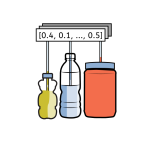
RheoMap

Desktop Rheology
Rheology, the study of how materials flow and deform, shapes practices across engineering, fabrication, food, art, and science. Yet rheological analysis is often inaccessible outside specialized laboratories and difficult to integrate into everyday material workflows. Leveraging low-cost sensing, computational analysis, and interactive systems, this research area explores the development of Desktop Rheology practices that support the tuning, tracking, replication, and sharing of viscous materials.
Low-Cost Rheometry – How might we develop affordable rheological tools that support material exploration outside specialized laboratories? How might we make rheological sensing accessible to makerspaces, classrooms, studios, and workshops?
Recipe-Linked Materials – How might we connect rheological measurements directly to material recipes and preparation workflows? How might we support the replication and sharing of material behaviors across practitioners?
Interactive Material Tuning – How might we help practitioners iteratively adjust materials such as inks, gels, silicone, clay, or food pastes? How might sensing support real-time feedback during mixing, curing, extrusion, or application?
Computational Rheology – Can we construct computational models that help practitioners better understand material behavior during pouring, printing, brushing, or casting? Can these techniques support simulation and prediction across fabrication practices?
Material Literacy – How might we help people develop intuition around concepts such as viscosity, yield stress, shear thinning, and curing? How might rheological behavior become more visible, tangible, or teachable through interactive systems?
Crowdsourced Material Libraries – How might we create shared repositories of rheological behaviors, recipes, and sensor traces? How might communities contribute both successful and failed material formulations to support collective learning?
Sensor-Driven Fabrication – How might we integrate rheological sensing into workflows such as 3D printing, dispensing, coating, or mold making? Can sensing help practitioners detect failure conditions before fabrication breaks down?
Hybrid Material Interfaces – How might rheological sensing become integrated into future interactive materials and adaptive fabrication systems? Can materials themselves become interfaces that communicate state, readiness, or transformation?
Associated Publications